
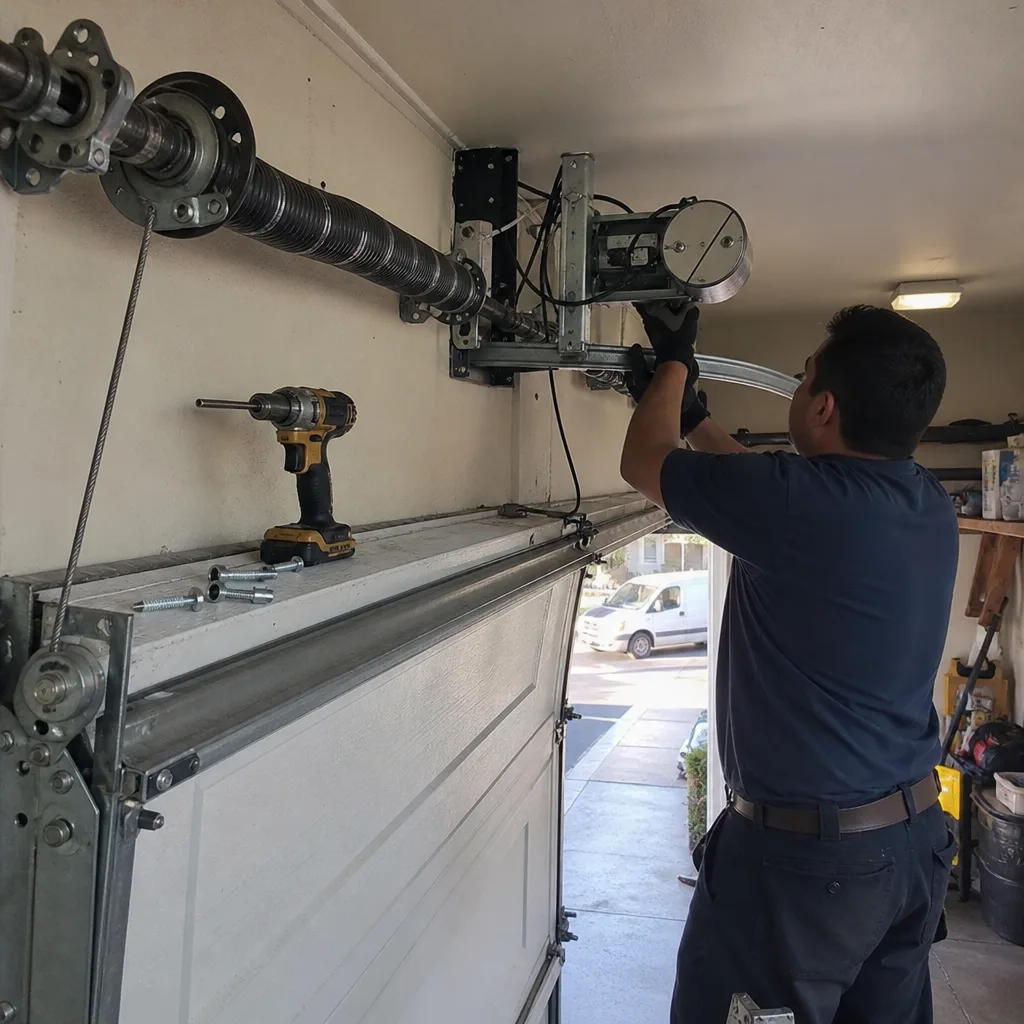
Last updated November 2, 2026
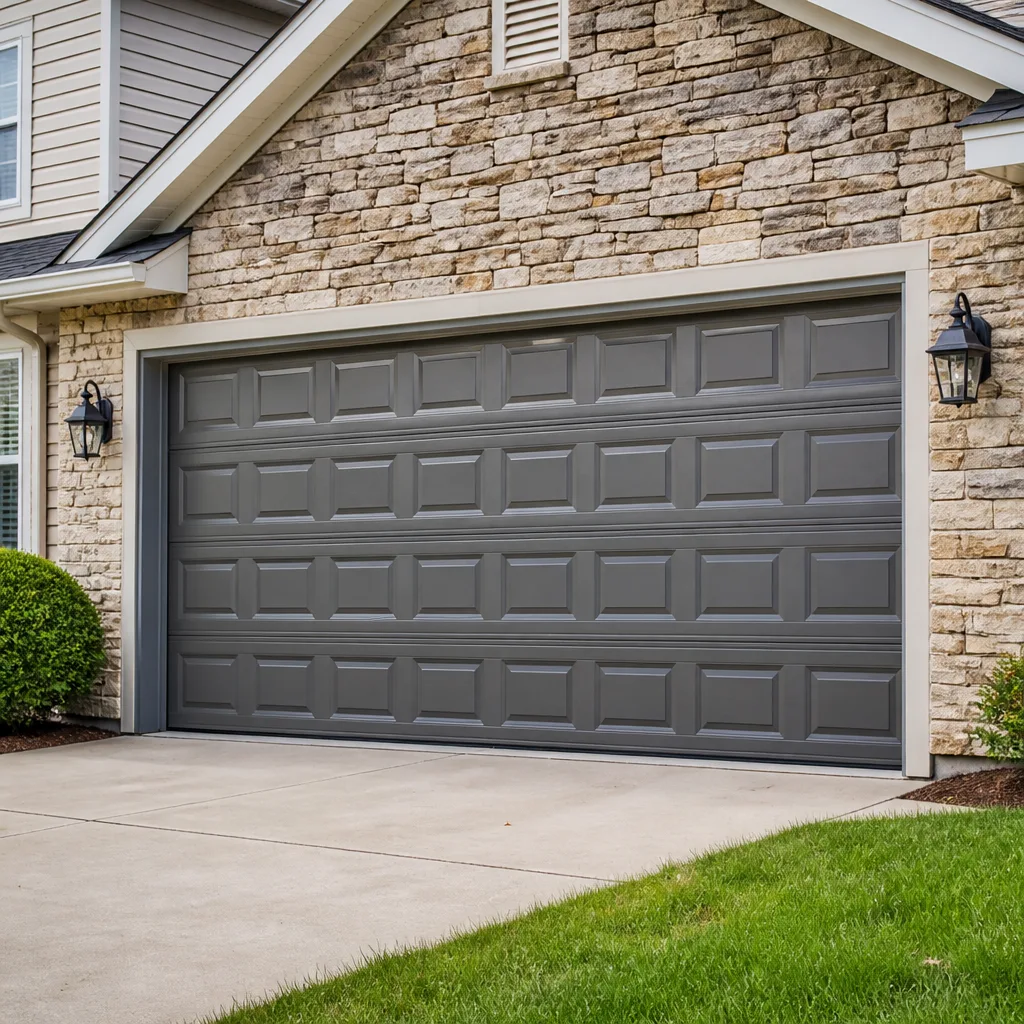 Raised-panel steel
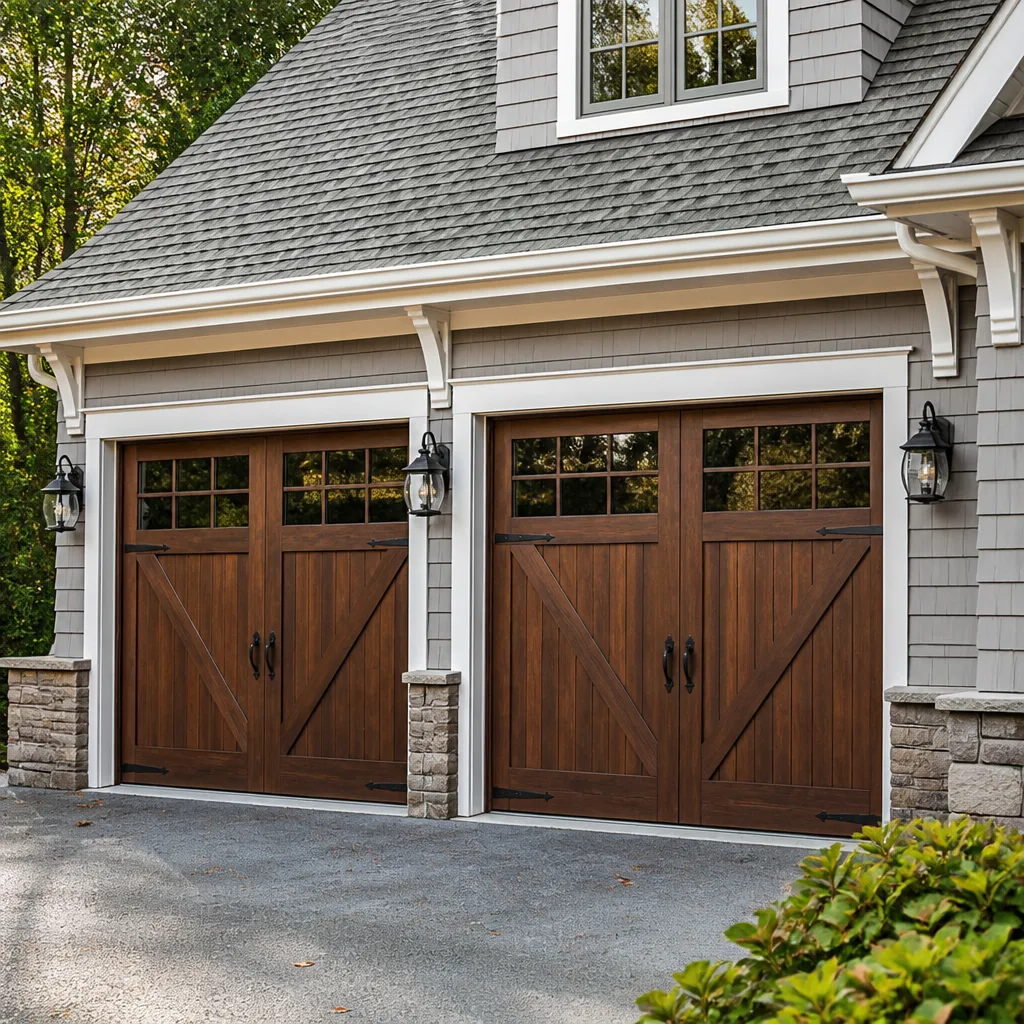 Carriage house
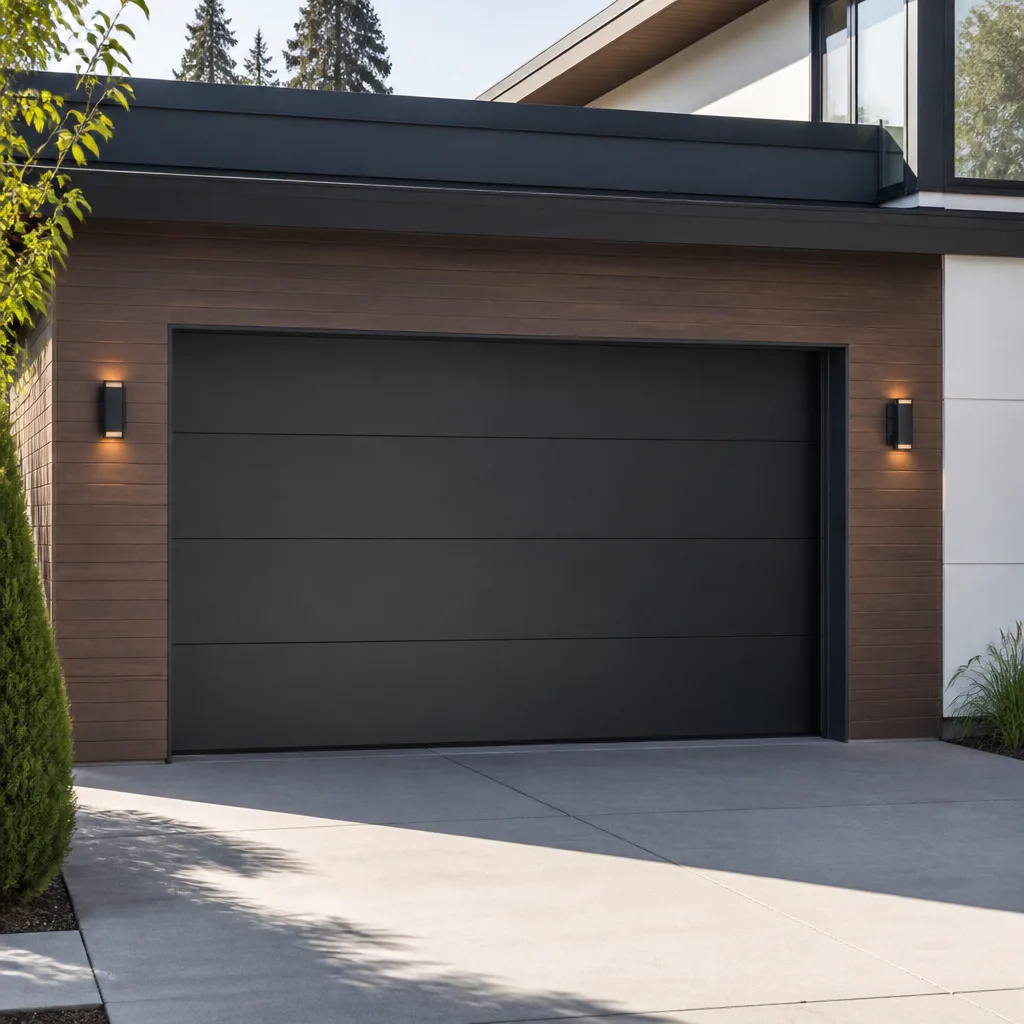 Modern flush
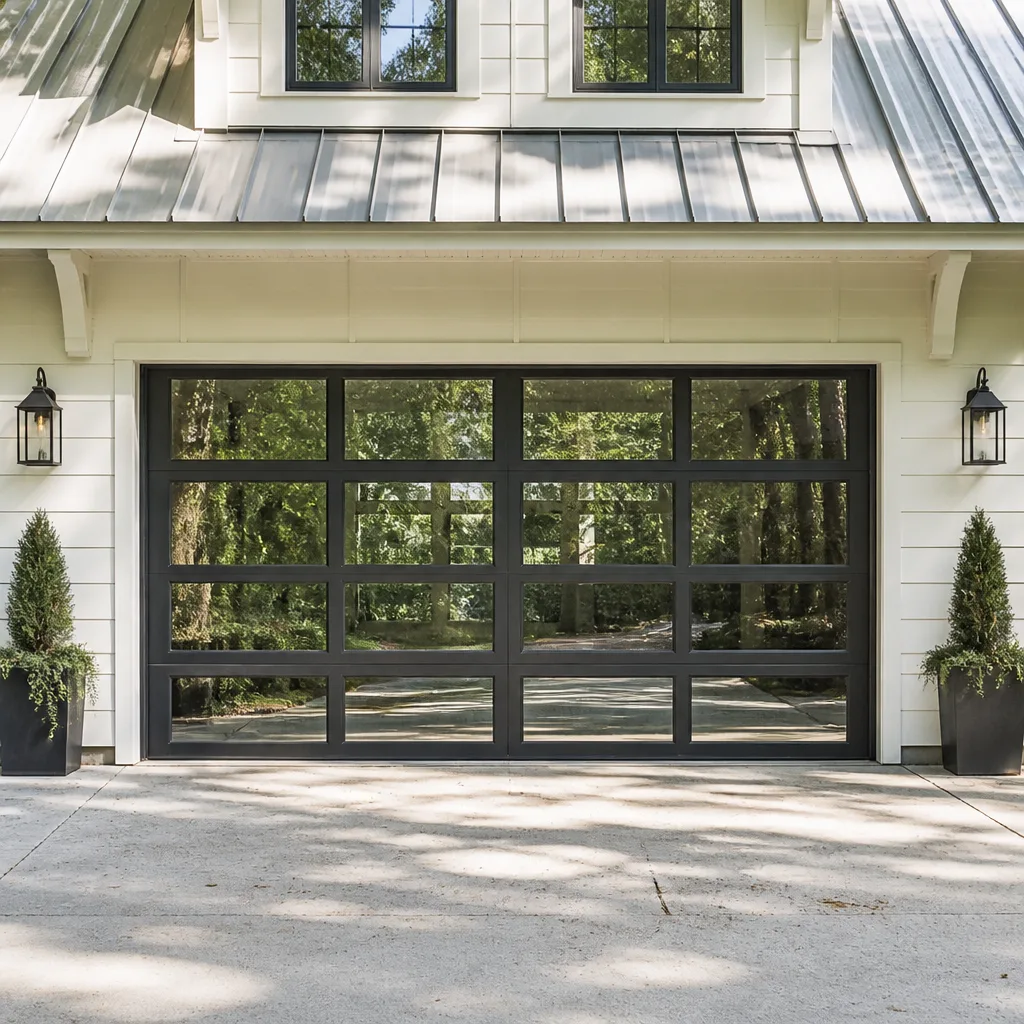 Full-view glass
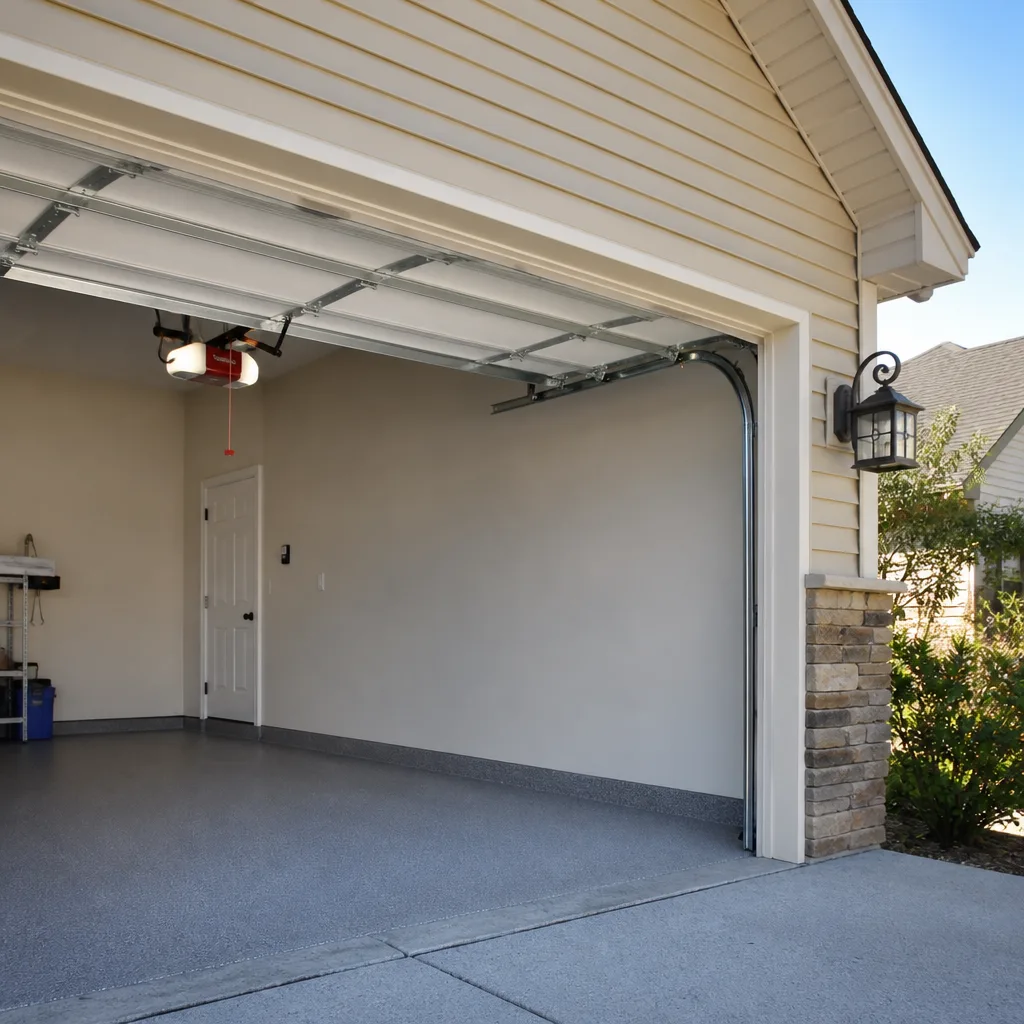 LiftMaster openers
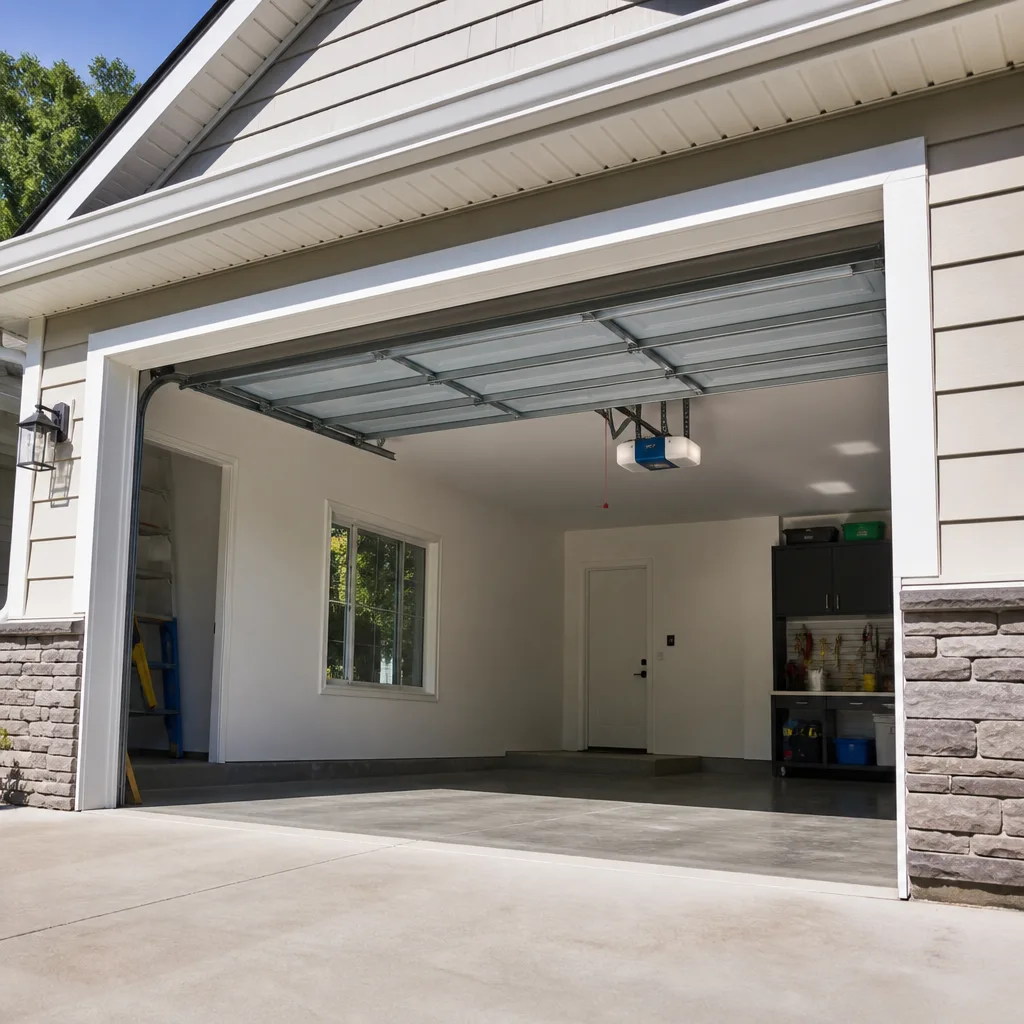 Chamberlain openers
Full 25-point door and opener safety check with every visit - springs, cables, rollers, tracks, and your LiftMaster or Chamberlain opener included
You get a price before we start. It does not change when the truck arrives.
Get your free estimateGarage Door Repair Maintenance Checklist for Upland Homeowners
The average Upland homeowner misses spring wear entirely on their monthly walkaround because they’re looking at the wrong part of the spring. Wear starts at the coil ends and the set screws, not the visible center section you glance at from the driveway. That single blind spot is why a door that looked fine in March snaps a spring in July. This guide walks you through a maintenance checklist that tells you what to look for, where to look, and what it means when you find something, calibrated specifically for Upland’s hot, dry climate and the seasonal shifts that punish garage hardware here.
Styles & brands we work with
- Raised-panel steel
- Carriage house
- Modern flush
- Full-view glass
- LiftMaster openers
- Chamberlain openers
Quick Answer
A garage door maintenance checklist for Upland homeowners should cover monthly visual inspections of springs, cables, rollers, and tracks; a quarterly balance test and lubrication; and seasonal checks timed to Upland’s temperature swings. The single most important habit is inspecting spring coil ends and torsion tube set screws monthly while checking door balance every 90 days. Most repairs we see in Upland are the direct result of a small issue that sat unnoticed for months because no one knew what to look for. If you do spot a problem, our Garage Door Repair team can handle it before it gets worse.
Table of Contents
- The Monthly 10-Minute Visual Inspection
- Month-by-Month Maintenance Schedule for Upland’s Climate
- Spring Inspection: Reading the Torsion System Like a Technician
- Cable Wear and Failure Indicators Most Homeowners Miss
- Roller Tolerances: What’s Normal Wear and What’s a Replacement
- The Balance Test: Why It Matters and How to Do It Correctly
- Lubrication in Upland’s Heat: What Works Above 90°F
- Which Maintenance Tasks Void Warranties, and How to Stay Compliant
- Common Mistakes to Avoid
- When to Call a Professional
- Frequently Asked Questions
- The Bottom Line
The Monthly 10-Minute Visual Inspection
This is the checklist that catches 80% of developing problems before they become breakdowns. Walk through it once a month. Ten minutes, no tools beyond a flashlight and a willingness to actually look at the parts instead of past them.
- Open the door halfway and let go of it. A door that drifts more than two inches either direction is out of balance. Note it and check balance again more carefully (the full test is covered below).
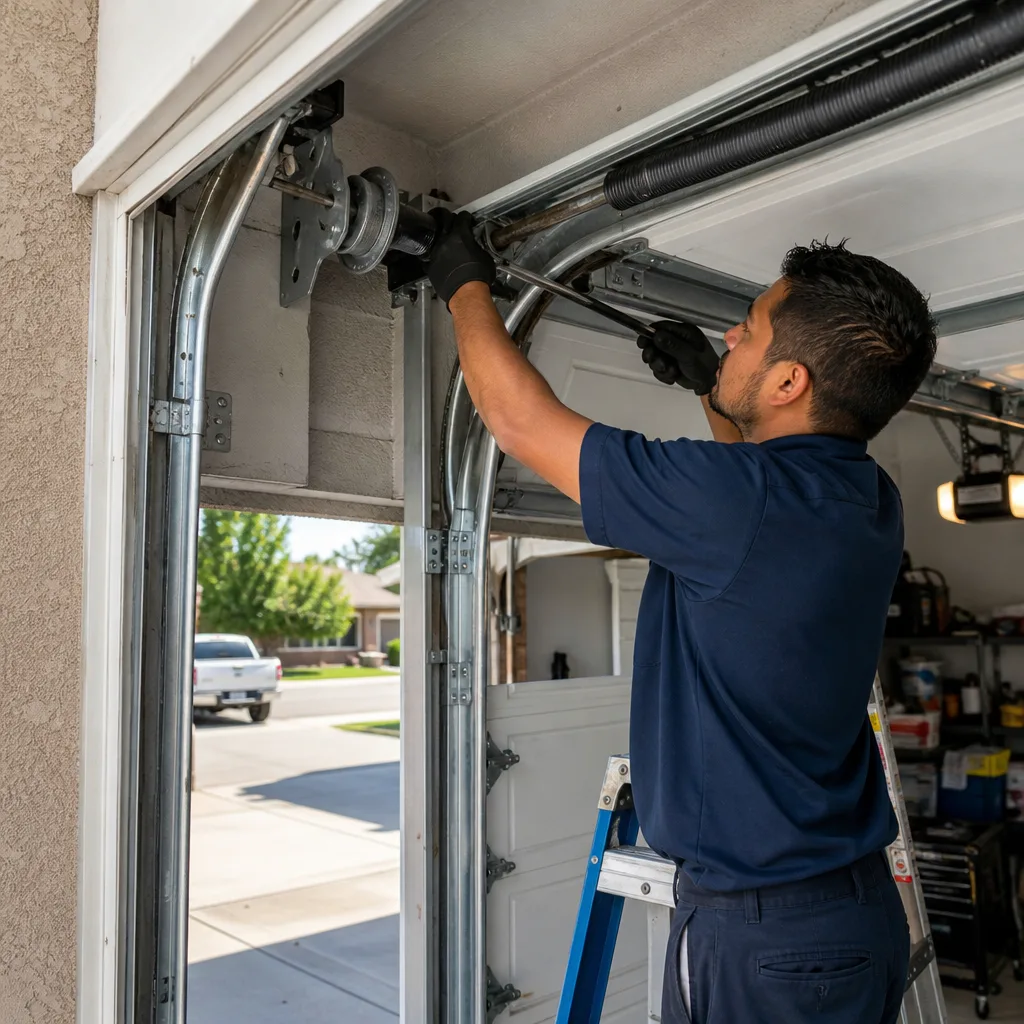
- Look at both torsion spring coil ends, where the spring wire meets the winding cone and the stationary cone. Look for a gap between coils, rust-colored dust on the coil surface, or coils that sit unevenly. This is where spring failure starts in Upland, not in the middle of the spring.
- Run your eyes down both lift cables, from the drum at the top to the bracket at the bottom. You’re looking for frays, kinks, rust at the cable ends, or any strand of wire sticking out anywhere along the run. A cable that shows four or five broken strands has already done most of its failing.
- Spin each roller by hand with the door down and released (use the red emergency release handle). A roller that doesn’t spin freely, wobbles, or sounds gritty is telling you the bearing is finished. Sealed-bearing steel rollers should spin silently. Nylon rollers with bad bearings will still roll, but they’ll chatter and the door will rattle in the tracks.
- Eyeball the track alignment. Stand at the back of the garage and sight down each vertical track. Any curve, any section that looks pinched or spread, any mounting bracket that’s pulling away from the wall is a red flag. Tracks should be straight and parallel with roughly a half inch of clearance along the entire run.
- Check the opener’s reversal system. Place a roll of paper towels on the floor under the closing door. When the door hits it, the opener should reverse within about a second. A door that crushes the roll or hesitates before reversing needs immediate attention. This is a safety system, not a convenience feature.
- Listen to the door run. A full up-and-down cycle should be quiet enough to hold a conversation over. Grinding, scraping, banging, or a rhythmic thumping that speeds up and slows down all indicate something specific: grinding is usually a roller or track issue, scraping is usually a misaligned track or panel, banging is usually a loose hinge or bracket, and a thumping that changes tempo is often a worn opener gear.
In our experience, most Upland homeowners can complete this inspection in under ten minutes once they know what they’re looking at. The key is building the habit. Tying it to another monthly routine helps, like the first Saturday of each month or whenever you change the HVAC filter.
Month-by-Month Maintenance Schedule for Upland’s Climate
Upland’s climate is hard on garage hardware in specific, predictable ways. Spring and fall bring temperature swings that cause metal expansion and contraction. Summer delivers sustained heat above 95°F that degrades lubricants and makes cables brittle. Winter brings Santa Ana winds, which mean dust and fine grit finding its way into tracks and roller bearings. A generic quarterly template doesn’t account for these patterns. This one does.
January through March: Wind and Dust Season
- Focus on tracks and rollers. Santa Ana winds push fine grit into everything. Blow out the tracks with compressed air or wipe them down with a dry microfiber cloth. Do not use a wet rag, and do not grease the tracks. Grease traps grit and turns it into grinding paste.
- Check weatherstripping. Cold overnight temps followed by warm days cause the rubber strip at the bottom of the door to contract and expand. Look for cracks, gaps where the seal meets the floor, and sections that have pulled away from the aluminum retainer.
- Test the opener’s force settings. Colder weather makes doors slightly stiffer. If the door reverses partway up or stalls, the force setting may need adjustment rather than the door needing repair.
April through June: Pre-Summer Heat Preparation
- Lubricate everything correctly before the heat hits. Once temperatures stay above 85°F consistently, most spray lubricants thin out and run off. April is the right time in Upland for a full lubrication pass, using the guidance in the lubrication section below.
- Inspect and tension the chain or belt on the opener drive. Heat causes chain drives to expand slightly. A chain that’s too tight in April will be tighter in August. A belt that’s too loose will slip.
- Check spring set screws. The heating and cooling cycles of spring in Upland are when torsion springs work themselves loose at the winding cones and stationary cones. A loose set screw allows the spring to shift, which changes the balance of the door.
July through September: Peak Heat Stress
- Watch the lubricant, not just the parts. Above 90°F, white lithium grease separates and runs. Synthetic PTFE-based sprays hold up better, but even those need reapplication more often in Upland’s summer. Listen for squeaks, which mean the lubricant is gone from that joint.
- Check cables for heat damage. Sustained heat makes galvanized cable brittle. Look for individual broken strands at the bottom bracket and at the point where the cable wraps around the drum. This is the season when cables in Upland garages are most likely to snap.
- Monitor door balance more frequently. Springs lose tension slowly in consistent heat. A door that was balanced in May may be noticeably heavy by August.
October through December: Temperature Swing Recovery
- Do a full end-of-year inspection. This is the most comprehensive check of the year. Every component: springs, cables, rollers, hinges, brackets, tracks, opener, weatherstripping.
- Check for rust formation. Upland’s dry air means rust is less of a problem than in coastal cities, but any moisture that gets trapped against metal, especially at the bottom brackets and cable ends, will still corrode. Look for surface rust and treat it before it becomes pitting.
- Test the auto-reverse and photo eye sensors before family visits for the holidays. These safety systems need to work every time, but the stakes are higher when there are extra cars and extra people in the garage.
If this schedule feels like more than you want to track, the visual inspection alone, done monthly, will catch most of what this seasonal calendar covers. The seasonal guidance is about being proactive in the weeks before Upland’s weather actually stresses the components.
Spring Inspection: Reading the Torsion System Like a Technician
A torsion spring stores an enormous amount of energy. The average 7-foot residential door spring, when fully wound, holds enough tension to lift roughly 150 to 200 pounds. That’s why every part of this section is about looking, not touching. We do not recommend that a homeowner ever adjust, unwind, or remove a torsion spring. The inspection below is visual only, and the information it gives you is what makes the difference between catching a spring before it breaks and having a door that won’t open on a Monday morning.
What to Look For, and What It Means
- A hairline gap between two adjacent coils, especially near the winding cone or the stationary cone. This is the earliest sign of metal fatigue. The spring is developing a stress fracture at that point, and it’s a matter of time before it lets go. A spring with this condition will usually break within 2 to 6 weeks of the gap first appearing.
- Rust-colored dust on the coil surface. This isn’t surface rust on the outside of the spring. It’s microscopic metal particles being shed as the spring flexes. Active fatigue is occurring. The spring is working itself toward failure whether the door feels heavy yet or not.
- Coils that sit unevenly, with some coils touching and others spaced. This means the spring is unwinding unevenly, usually because a set screw has loosened or the spring is binding on the torsion tube. Left unchecked, the spring will either snap or lose enough tension that the door becomes too heavy for the opener to lift.
- A spring that looks “stretched”, meaning the space between coils is wider than it was when the spring was first installed. Torsion springs are designed to operate with coils touching at rest. Gaps between coils at rest indicate the spring has taken a permanent set and should be evaluated.
- Bright metal showing at the winding cone. This means the cone has rotated against the spring and the two are wearing against each other. The spring is slipping on the cone, and the door’s balance is shifting with every cycle.
One note on spring types: most Upland homes built in the last 30 years have torsion springs (mounted horizontally on a bar above the door). Older homes may still have extension springs (mounted vertically on both sides of the door). Extension springs fail differently, usually by stretching out rather than snapping. An extension spring that’s noticeably longer than its partner, or that shows gaps between coils when the door is closed, is worn out and should be replaced by a technician. For a deeper dive on diagnosing issues yourself, see our Garage Door Repair Troubleshooting: Common Problems and How to Fix Them guide. We service all major spring styles across our three service lines, including the door brands common in Upland homes.
Cable Wear and Failure Indicators Most Homeowners Miss
Lift cables are the most overlooked component on a garage door. Homeowners look at springs because they’ve heard springs can be dangerous. Cables are actually the part that fails most often in Upland’s climate, second only to springs, and a broken cable on a door with a single torsion spring means the door drops unevenly, jams in the tracks, and sometimes pulls the track right off the wall. Here’s how to read cable condition before that happens.
The first indicator is rust at the cable ends. A galvanized lift cable is coated to resist corrosion, but that coating gets worn away where the cable wraps around the drum and where it’s crimped into the bottom bracket. Once the galvanization is gone, Upland’s occasional rain and morning condensation work on the exposed steel. Rust at the ends is the precursor to fraying at the ends.
The second indicator is a single broken strand, often found where the cable bends most sharply. One broken strand among the nineteen or twenty-one strands in a typical cable means the cable has begun to fail. It has not failed yet, but the remaining strands are now carrying more load per strand than they were designed for. Additional strand failures will happen faster now. A cable with one broken strand near the bottom bracket is a cable that should be replaced by a technician. We carry the common cable sizes in our garage door repair in Upland service vehicles, so this is usually a one-visit fix.
The third indicator is fraying at the drum. The drum is the spool at the top of the track that the cable winds around. When a cable frays here, it often jumps the drum and wraps improperly, which changes the effective length of the cable on one side. That makes the door rise or close unevenly and puts lateral stress on the entire system. A door that’s closing slightly crooked, even by half an inch at one corner, often has a cable issue at the drum.
The fourth indicator is a cable that’s loose when the door is fully open or fully closed. Cables should be taut in both positions. A slack cable means the door is not being supported evenly, which means the spring system is not doing its job correctly or the cable has stretched. Either way, the door is now relying on the opener and the track to hold it in place, and neither is designed for that load.
Roller Tolerances: What’s Normal Wear and What’s a Replacement
Rollers wear out on a predictable schedule. The question is what “worn out” actually looks like, because a roller that’s still rolling is not necessarily a roller that’s still doing its job. Here’s the tolerance breakdown.
Steel rollers (the kind installed on most doors built before 2000) last 5 to 7 years in Upland’s climate before the bearings wear out. A steel roller with a worn bearing will still roll, but it will have lateral play. Grab the roller and try to wiggle it side to side, perpendicular to the wheel. Any visible movement means the bearing is worn. A worn bearing that’s ignored will eventually seize, and a seized roller doesn’t roll, it slides. A sliding steel roller wears a flat spot and then carves a groove into the track. That’s a $200 track replacement caused by a $12 roller.
Nylon rollers with sealed ball bearings last longer, typically 10 to 15 years, but the nylon wears too. Look at the diameter where the roller contacts the track. A nylon roller that started at 2 inches should still measure close to 2 inches. Worn nylon develops a cupped profile where it rides the track, and that cup causes the door to shimmy slightly in the tracks. You’ll hear it as a rhythmic vibration, especially on the way up when the opener is pulling the full weight.
Plastic rollers without ball bearings are the bottom tier. They’re installed on economy doors and typically last 3 to 5 years. When these fail, the wheel itself develops wobble. There’s no bearing to wear out, so the wheel literally works its way loose on the stem. If you can see the wheel wobbling while the door moves, it’s time to replace it.
The rule of thumb for Upland homeowners: if a roller doesn’t spin freely when you turn it by hand, replace it. If it spins freely but makes any sound at all, replace it. If it spins freely and is silent, leave it alone. The difference between “spins” and “spins silently” is the difference between a roller that’s working and a roller that’s working while destroying itself.
The Balance Test: Why It Matters and How to Do It Correctly
Door balance is the single most important indicator of spring health. A properly balanced door stays where you put it, at any point in its travel, without help from the opener. An out-of-balance door is the reason openers burn out prematurely, which is the most expensive and most preventable repair in the garage.
Here’s what an out-of-balance door actually costs you. The opener’s motor and gear assembly are designed to move a balanced load. When the springs weaken and the door becomes heavy, the opener is doing the spring’s work. The plastic drive gear inside a typical chain-drive opener is rated for a certain number of cycles under normal load. Under sustained heavy load, that gear strips out in 18 to 24 months instead of the normal 10 to 15 years. A stripped gear is a garage door opener repair in Upland, and it’s almost always caused by an out-of-balance door that was never checked.
How to perform the balance test correctly:
- Close the door. Pull the red emergency release handle on the opener rail. This disconnects the door from the opener carriage so you’re moving the door by hand, not fighting the opener.
- Lift the door manually to about waist height, around 3 feet off the ground. Let go. The door should stay where it is, or drift no more than 2 inches in either direction.
- Lift the door to about three-quarters open. Let go again. Same result: the door stays, or drifts no more than 2 inches.
- Now close the door by hand. Pay attention to how much effort it takes. A balanced door feels light, around 8 to 10 pounds of lifting effort. A heavy door feels like you’re lifting a piece of furniture. A door that’s so heavy you can barely open it by hand is a door with completely failed springs, and it should not be opened again until the springs are replaced.
- Reconnect the opener carriage by pulling the red handle back toward the motor and running the opener once to cycle it back onto the carriage.
If the door drifts down in both positions, the springs have lost tension. If the door drifts up, the springs are over-tensioned (which happens after an incorrect spring installation or adjustment). If the door only drifts at one point, you likely have a track or roller issue rather than a spring issue. In our experience, a door that fails the balance test is a door that will break within a season, and the repair is always cheaper before the spring snaps than after. Learn what warning signs to watch for in our Garage Door Warning Signs: An Upland Homeowner’s Reference Guide.
Lubrication in Upland’s Heat: What Works Above 90°F
Upland’s summer temperatures do specific things to garage door lubricants. White lithium grease, the most common lubricant sold for garage doors, begins to separate and run at sustained temperatures above 90°F. The carrier evaporates, leaving a chalky residue that actually increases friction at the exact moment you need the opposite. We see this pattern every summer in Upland: a homeowner lubricates in June, a heat wave hits in August, and by September the door is squeaking again because the lubricant failed, not because the parts are wearing.
What works in high heat:
- Synthetic PTFE-based sprays (the kind sold specifically for garage doors, not general-purpose WD-40). These hold up to about 300°F and don’t run in Upland’s summer heat.
- Silicone spray for the weatherstripping and rubber components. Silicone doesn’t degrade rubber the way petroleum products do.
- Garage-door-specific lithium grease, but only if it’s the heavy-duty formulation rated for high-temperature applications. The standard lithium grease in a tube is the one that runs.
What to lubricate, and how often:
- Springs: A light coat of PTFE spray on the coil surfaces, twice a year in Upland (April and October). The springs don’t need much, just enough to prevent surface rust. Do not soak them.
- Rollers: Only the metal-on-metal contact points. Sealed-bearing rollers don’t need lubrication at all. Nylon rollers with exposed bearings need a drop of oil on the bearing stem. Never lubricate the nylon wheel surface itself; it doesn’t need it, and it will pick up dust.
- Hinges: One drop of light machine oil or PTFE spray on each hinge pin, twice a year. Hinges are the most frequently overlooked lubrication point, and a dry hinge pin is what causes the loud creaking that sounds like a structural problem but is a 30-second fix.
- Opener rail: Chain rails need a light coat of white lithium grease formulated for opener chains. Belt rails typically need nothing. Screw-drive rails need a specific grease available from the opener manufacturer. For LiftMaster, Chamberlain, and Genie screw drives, the wrong lubricant will void the warranty and accelerate wear.
What to skip entirely: the tracks. Never lubricate the tracks. The tracks are a guide surface, not a friction surface. Lubricating them attracts dust, and in Upland’s dry, windy climate, that dust becomes abrasive slurry in about two weeks. If the door is loud and you can’t trace the sound to a hinge, roller, or spring, the problem is likely a track alignment issue, not a lubrication issue.
Which Maintenance Tasks Void Warranties, and How to Stay Compliant
Every garage door and opener manufacturer publishes maintenance requirements, and nearly all of them include language that voids coverage for damage caused by improper maintenance. The distinction between “proper maintenance” and “improper maintenance” is often narrower than homeowners realize. Here are the big ones we see in Upland, where heat and dust push doors harder than in milder climates.
- Using the wrong lubricant on the opener rail. Chain-drive openers from LiftMaster and Chamberlain require a specific lithium grease. Belt-drive openers from the same brands require no rail lubrication at all. Screw-drive openers from Genie require a PTFE-based grease with specific heat tolerance. Using WD-40 or a generic spray on any of these voids the opener warranty immediately. The manufacturer can tell when the wrong product was used because of the residue pattern.
- Failing to replace a worn roller that damages the track. Manufacturers cover track defects from the factory, but a track that’s grooved from a seized roller is owner-caused damage. The door manufacturer will decline the claim.
- Over-tensioning the springs to compensate for a heavy door. This is the most dangerous warranty violation because it’s a safety hazard. Homeowners sometimes add tension to the springs to make the door easier to lift, instead of replacing worn springs. The door manufacturer’s warranty does not cover failure of a spring that was adjusted by anyone other than a qualified technician. The same goes for the opener warranty, which is voided if the unit is run against a door that fails the balance test.
- Skipping required lubrication intervals. Clopay, Amarr, and Wayne Dalton all publish maintenance schedules in their warranty documentation. These typically require hinge and roller lubrication every 6 months and spring lubrication every 12 months. A homeowner who never lubricates and then files a warranty claim for hinge failure will find the claim denied for failure to perform required maintenance. Keep a log, even if it’s just a note in your phone.
- Using aftermarket parts not specified by the manufacturer. Replacement springs, cables, and rollers must meet the manufacturer’s specifications for the specific door model. A generic spring that’s “close enough” changes the balance of the door and voids coverage on the door panels and hardware. This is one reason we work specifically with factory-familiar components across Clopay, Amarr, Wayne Dalton, and Craftsman doors in Upland; the parts actually match the door.
Common Mistakes to Avoid
- Looking at the center of the spring instead of the ends. Spring wear announces itself at the coil ends near the winding cones and stationary cones. The center of the spring will look perfectly normal right up until the day it breaks. Make the ends the first thing you check every month.
- Lubricating the tracks. This is the most common piece of bad advice in garage door maintenance. Tracks are guides, not bearings. Lubricant in the tracks collects Upland dust and creates abrasive slurry that accelerates roller and track wear. Skip it.
- Using WD-40 on anything. WD-40 is a water displacer and a light penetrant, not a lubricant. It has no place on a garage door. In Upland’s heat, it evaporates within days and leaves behind a film that attracts dust. Use a purpose-made garage door lubricant or a PTFE spray.
- Ignoring a noisy door because it still works. Sound is the earliest diagnostic tool you have. A squeak is a dry hinge. A rattle is a loose bracket. A rhythmic thump is a worn roller or an opener gear. Each of these is a $20 repair if caught early and a $200 repair if ignored for a year.
- Continuing to use the opener after a spring breaks. When a spring snaps, the door’s full weight is now on the opener. Running the opener against that load will strip the plastic drive gear within a few cycles. If your spring breaks, pull the red emergency release, leave the door closed, and call a technician. Do not attempt to open the door by hand either; a door with one broken spring is unbalanced and can fall hard enough to cause serious injury.
- Replacing only one spring. Garage door springs are calibrated for the door’s weight and designed to fail around the same time. If one spring breaks and you replace only that one, the other spring will fail soon, and the new spring will have been working against a mismatched partner the whole time. Replace springs in pairs.
- Doing a balance test without knowing what drift means. Pulling the release handle and watching the door move tells you nothing unless you know the two-inch rule, and unless you check it at multiple heights. Test it at waist height and at three-quarters height, both times after releasing the door completely.
When to Call a Professional
Some maintenance tasks are genuinely safe for a homeowner to handle. Visual inspections, lubrication, balance testing, and cleaning the tracks are all doable in an afternoon with basic hand tools. Other tasks are dangerous and should never be attempted by anyone without specific training. High-tension torsion springs are under enough stored energy to cause serious injury or death if mishandled. Cables under load can snap and whip. Track brackets under spring tension can release violently if unbolted in the wrong order. We do not recommend that any homeowner attempt to adjust, remove, or replace torsion springs, cables, or any component under tension. If your inspection turns up spring wear, cable fraying, or a door that fails the balance test, that’s the signal to call a technician rather than reach for a wrench. Garage Door Service Upland offers free estimates in Upland; call (855) 970-2962 and we’ll quote the repair before any work starts.
Frequently Asked Questions
A visual inspection once a month, a balance test and lubrication pass every 90 days, and a full seasonal check at the start of each quarter will catch almost every developing problem before it becomes a repair. Upland’s heat and dust make skipping the lubrication pass more damaging than in coastal climates.
A homeowner doing their own lubrication and inspection spends around $25 to $40 per year on a quality PTFE spray and a tube of the correct grease. A professional maintenance visit in Upland typically runs $95 to $150 and includes a full inspection, lubrication, cleaning, and minor adjustments like hinge tightening and track alignment. That visit pays for itself if it catches one spring or cable before failure. Call (855) 970-2962 for our current maintenance pricing; estimates are free.
Torsion spring replacement is the most common repair we see, followed by cable replacement and opener gear failure. In Upland specifically, summer heat accelerates spring fatigue, and Santa Ana winds in fall and winter push dust into roller bearings, which shortens roller life compared to nearby coastal cities.
No. Torsion springs hold 100 to 200 pounds of stored force each, and the winding process involves tools and techniques that require specific training. A mistake during spring replacement can be fatal. This is the one repair where the labor cost is cheap insurance against catastrophic injury. Extension springs are slightly less dangerous but still not recommended for DIY replacement.
Standard torsion springs are rated for 10,000 cycles, which translates to roughly 7 to 10 years for a door that cycles twice a day. In Upland, where heat accelerates metal fatigue, the realistic lifespan is closer to 6 to 8 years. High-cycle springs rated for 20,000 or 30,000 cycles last proportionally longer and are worth the upcharge if you plan to stay in your Upland home long-term.
Heat expands the metal components, which tightens clearances between rollers and tracks, hinges, and the sections of the door itself. A door that’s quiet in January may creak and pop in August, not because anything is wrong, but because the metal has expanded. If the noise persists after lubrication and after temperatures drop in the fall, it’s time for a professional inspection. We’re glad to look at it; call (855) 970-2962.
The Bottom Line
A garage door maintenance checklist only earns its keep if each item tells you what to do with what you find. In Upland, that means checking spring coil ends monthly, testing door balance quarterly, lubricating with heat-stable products twice a year, and keeping your eyes on the cables and rollers that get punished by the local climate. Ten minutes a month and a solid lubrication routine will prevent the vast majority of breakdowns. When the inspection turns up something that needs a trained eye, the repair is almost always cheaper than the emergency call that follows if you ignore it. Written by the team at Garage Door Service Upland, serving Upland since 2013. For more guides & resources, visit our blog.
See the difference
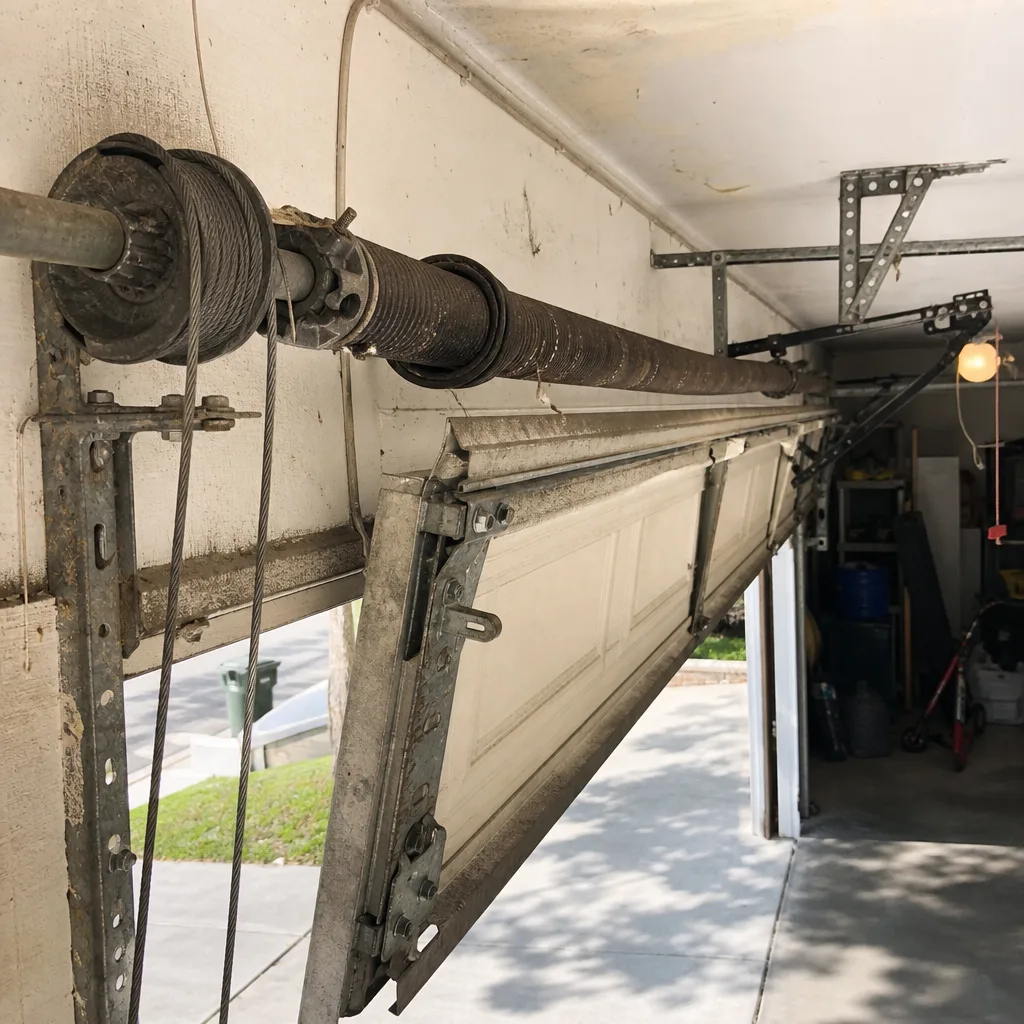 Before
 After
 Before
 After
 Before
 After