
Last updated November 2, 2026
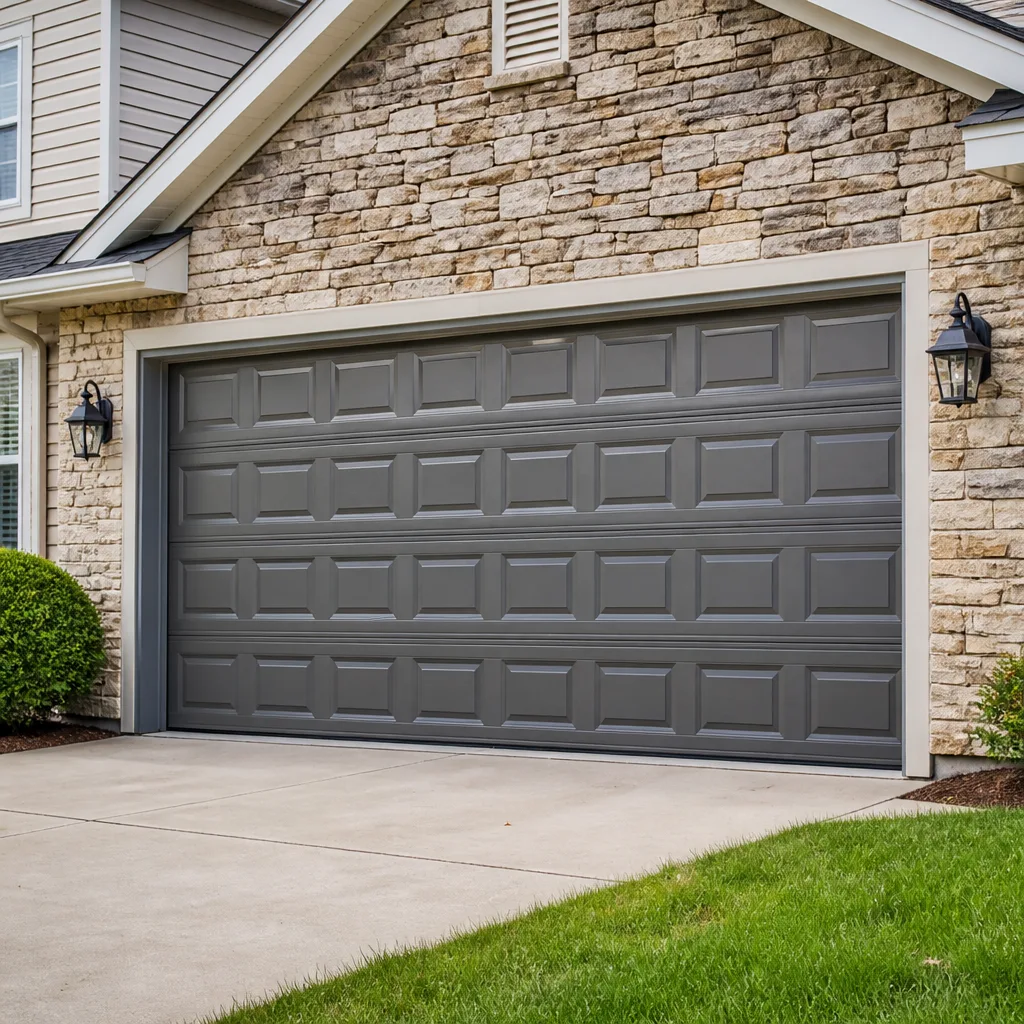 Raised-panel steel
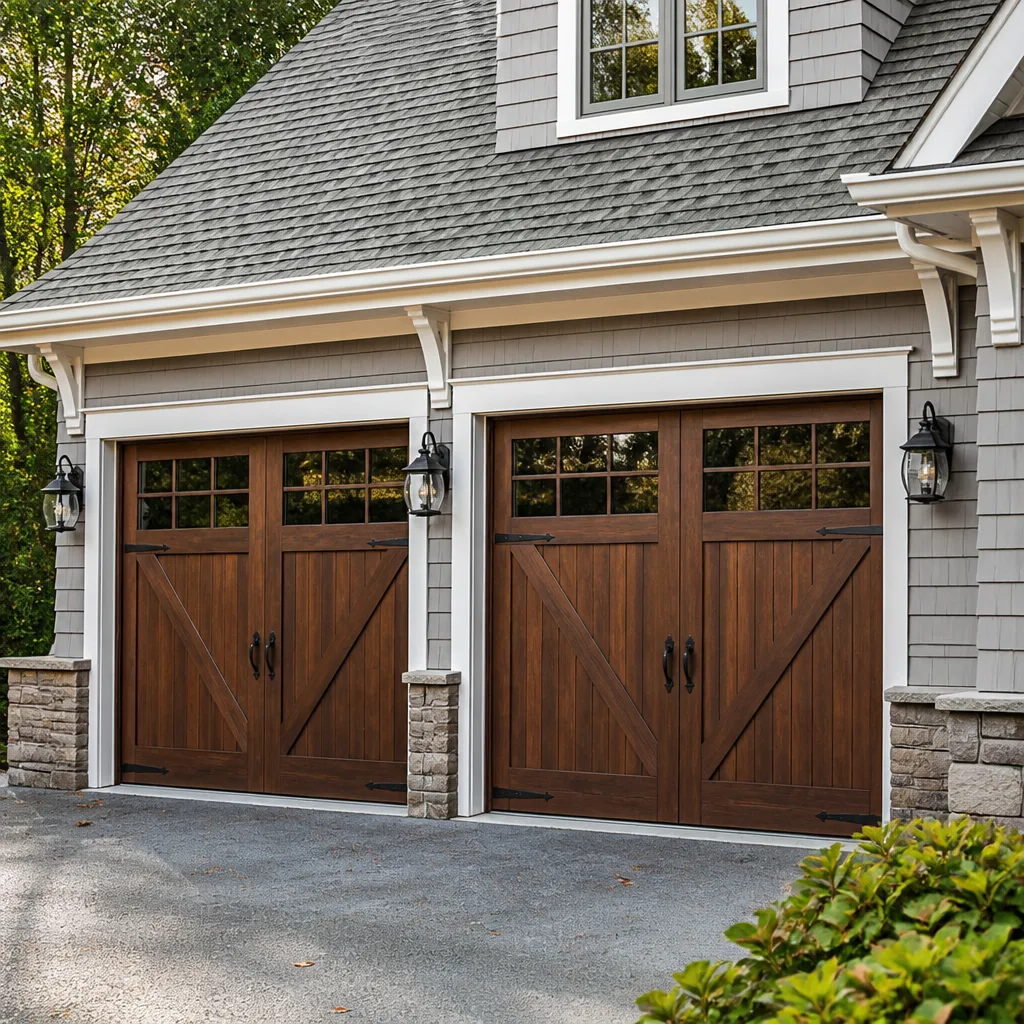 Carriage house
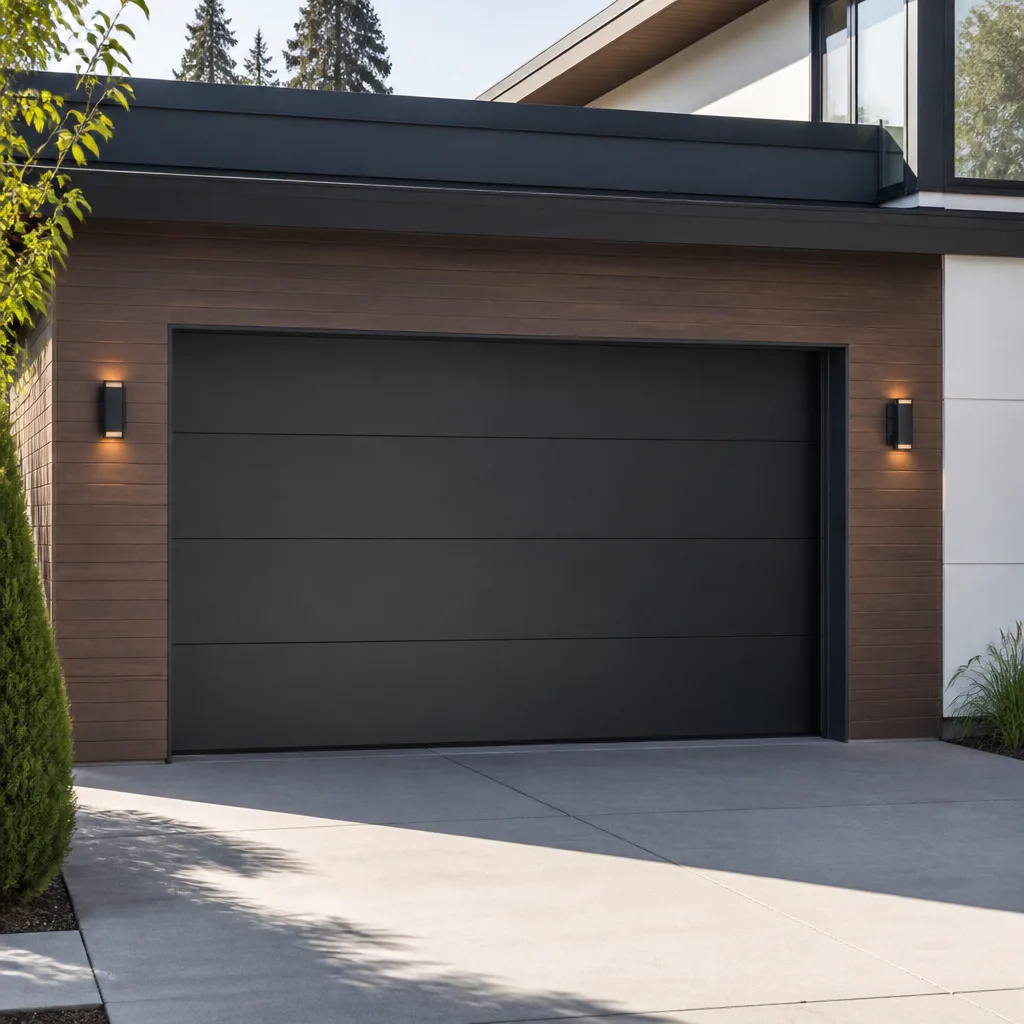 Modern flush
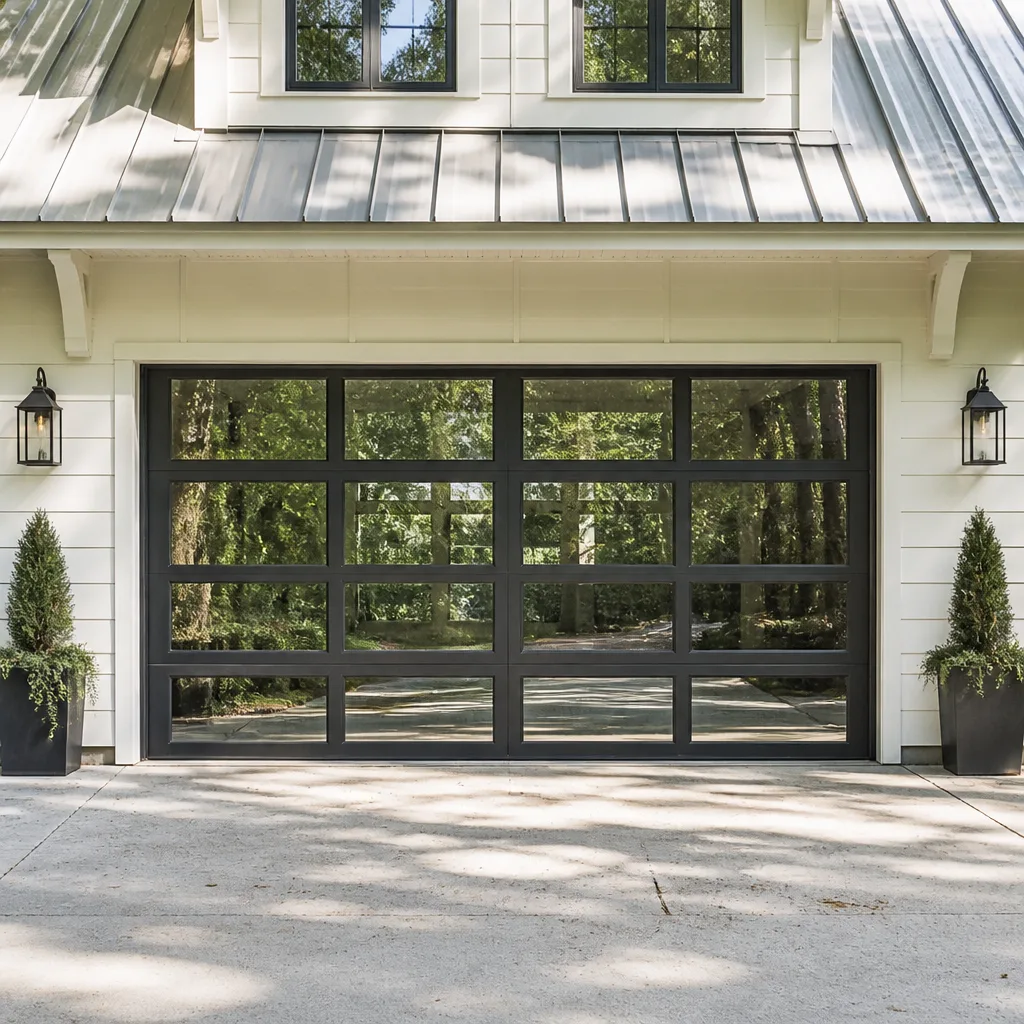 Full-view glass
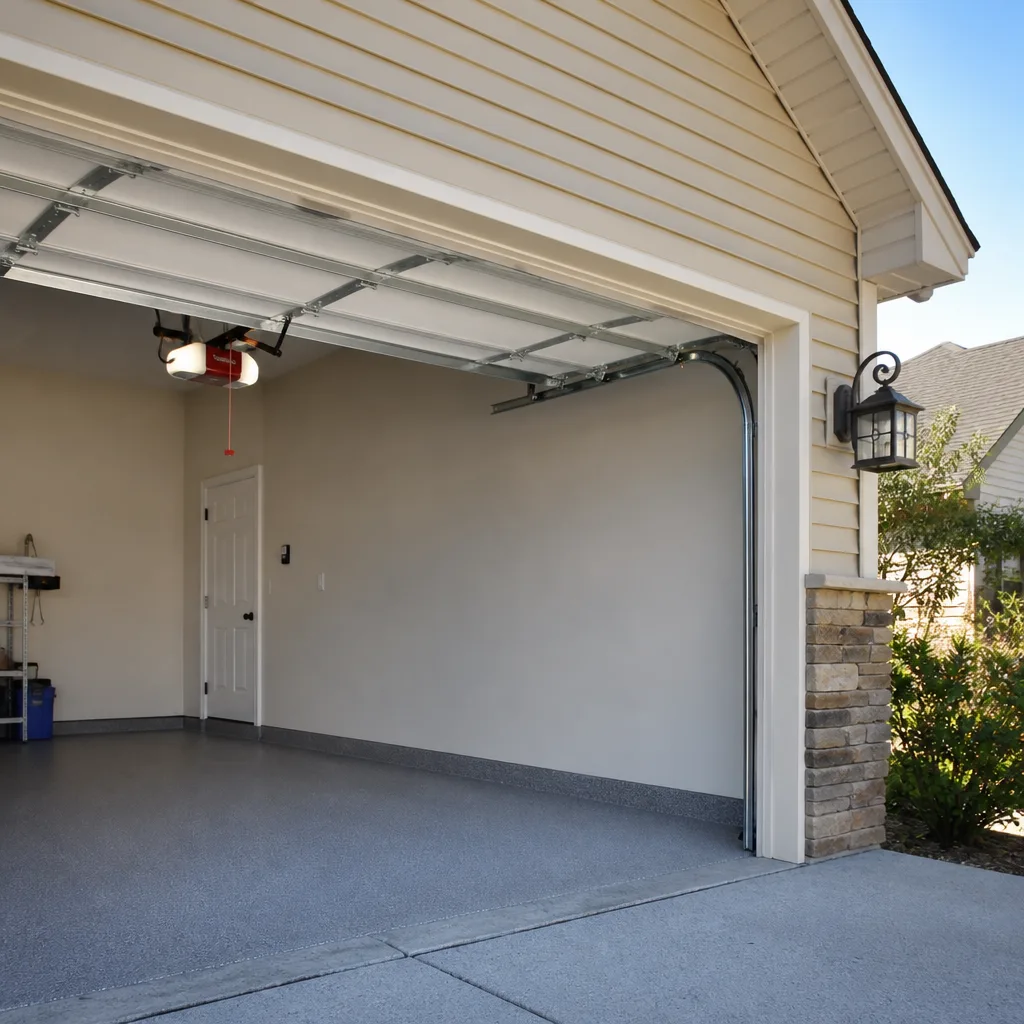 LiftMaster openers
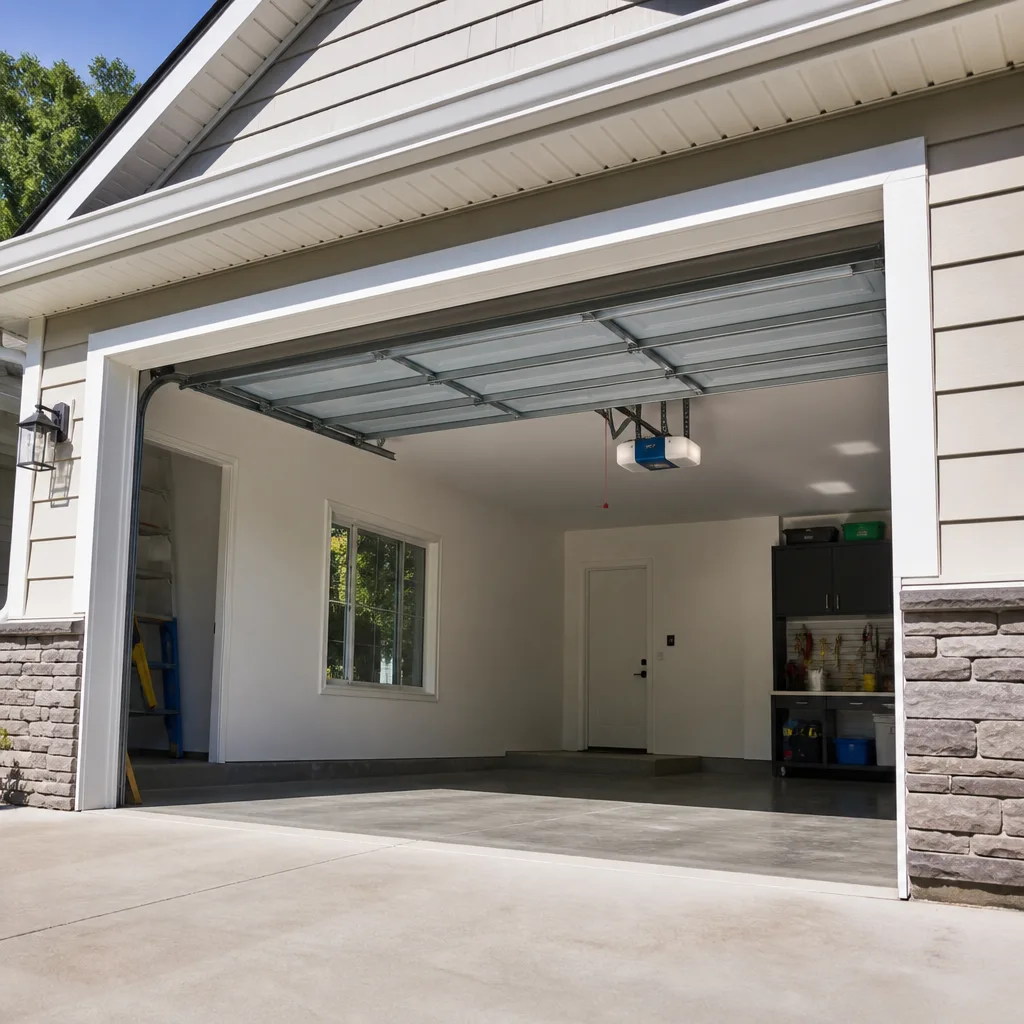 Chamberlain openers
Full 25-point door and opener safety check with every visit - springs, cables, rollers, tracks, and your LiftMaster or Chamberlain opener included
You get a price before we start. It does not change when the truck arrives.
Get your free estimateGarage Door Permits, Codes & Inspections in CA: What You Need to Know
Replacing a garage door panel sounds like routine maintenance, but if you’re changing the door’s structural rating in a California fire hazard severity zone, it can legally require a permit – a fact most contractors and homeowners alike overlook. We see this confusion regularly here in Upland, where homes sit close to designated Very High Fire Hazard Severity Zones in the San Gabriel foothills. This guide walks you through what actually triggers a permit, what California’s Title 24 energy code demands, how seismic bracing requirements affect your opener choices, and what inspectors in San Bernardino County look for during a Garage Door Repair Maintenance Checklist for Upland Homeowners-style inspection. By the end, you’ll know which projects need paperwork, which ones don’t, and how to avoid a costly correction order.
Styles & brands we work with
- Raised-panel steel
- Carriage house
- Modern flush
- Full-view glass
- LiftMaster openers
- Chamberlain openers
Quick Answer
In California, replacing an existing garage door with one of comparable size and weight typically does not require a permit, but structural changes, new door openings, and certain opener installations in fire hazard zones do. Most city and county jurisdictions have adopted Chapter 3 of the California Residential Code, which exempts “repairs” but requires permits for work that changes door dimensions, framing, or fire-resistance ratings. The California Building Code (Title 24, Part 2) and California Residential Code (Title 24, Part 2.5) govern what gets inspected, and local amendments in cities like Upland add a second layer of rules.
Table of Contents
- When a Garage Door Permit Is Required in California
- Title 24 and Energy Code Rules for Garage Doors
- Opener Safety Codes: Photo Eyes, Auto-Reverse, and Battery Backup
- Seismic Bracing Requirements for Garage Door Openers
- Fire-Rated Doors and Wildland-Urban Interface Zones in Upland
- What a Garage Door Inspection Covers (and What Fails)
- How Unpermitted Garage Door Work Affects a Home Sale in San Bernardino County
- Common Mistakes to Avoid
- When to Call a Professional
- Frequently Asked Questions
- The Bottom Line
When a Garage Door Permit Is Required in California
California doesn’t have a single statewide rule that says “you need a permit for X garage door project.” Instead, the California Residential Code (CRC), Section R105, sets the baseline: permits are required for any work that involves structural changes, new construction, or alterations to a building’s exterior envelope. Local jurisdictions then layer their own amendments on top. In Upland, the Building & Safety Division enforces the 2022 California Building Standards Code with local modifications, and that’s where the practical answer lives.
Here’s the breakdown by project type:
- Like-for-like door replacement: Swapping an existing garage door for a new one of the same dimensions and roughly the same weight generally does not require a permit. This is classified as a repair under most California jurisdictions. The caveat: if the new door is significantly heavier (say, upgrading from a thin aluminum door to a solid wood door), some inspectors will flag it as a structural change because the spring system and header loads change.
- Door replacement with size changes: Enlarging or shrinking the garage door opening requires a permit. This involves header work, framing modifications, and possibly a new structural beam. No way around it: any header modification triggers a permit in San Bernardino County.
- New garage on new construction: Any new garage door in new construction is part of the overall building permit. The door itself isn’t separately permitted, but the entire garage structure is.
- Opener installation (replacement): In most California jurisdictions, replacing a garage door opener does not require a permit. The exception is when the opener is part of a larger remodel or when local amendments specifically call out motorized devices. Some Bay Area cities require permits for opener installation; Upland does not.
- Opener installation (first-time, no existing opener): If the garage never had an opener and you’re adding one, some jurisdictions treat this as an electrical installation requiring a permit because new wiring and an outlet are involved. Upland’s building department generally does not require a standalone permit for a plug-in opener, but hardwired openers are a different conversation.
- Fire-rated door replacement in a hazard zone: This is the one most people get wrong. In Very High Fire Hazard Severity Zones (VHFHSZ), which includes significant portions of the foothill neighborhoods near Upland, replacing a fire-rated garage door with a non-fire-rated door requires a permit and will fail inspection. You cannot downgrade the fire rating without going through the variance process, and even then, approval is rare.
The practical takeaway: if your new door is the same size, similar weight, and same fire rating as the old one, you’re likely in the clear for most Upland residential work. If any of those three factors changes, call the Upland Building & Safety Division before you order parts.
Title 24 and Energy Code Rules for Garage Doors
California’s Title 24, Part 6 – the Building Energy Efficiency Standards – applies to conditioned spaces. Most garages are unconditioned, which means a standard garage door isn’t subject to insulation and air leakage requirements the way a front entry door or window would be. But there’s a specific scenario where Title 24 enforcement kicks in, and it catches people off guard.
If your garage is converted to living space, or if the garage shares a wall with conditioned living space and is part of the building envelope calculation, the garage door becomes subject to Title 24 requirements. In those cases:
- The door must meet minimum insulation values (typically R-6.5 for sectional doors in climate zone 10, which includes Upland).
- Weatherstripping and air sealing become mandatory inspection points.
- The door must be listed in the California Energy Commission’s appliance efficiency database when paired with certain opener systems.
For a standard unconditioned garage in Upland, the bigger practical concern is temperature swings. Upland sits in climate zone 10, which means hot, dry summers with indoor-outdoor temperature differentials of 30°F or more. A non-insulated garage door on a west-facing wall will turn the garage into a heat sink, which warms the adjacent living space and drives up cooling costs. That’s not a code issue; it’s a comfort and energy bill issue. In our experience, roughly a third of Upland homeowners choosing a replacement door go with a lightly insulated option (R-6 to R-8) for exactly this reason, even though code doesn’t require it.
The brands we service regularly – including Clopay, Amarr, and Wayne Dalton – all offer insulated door options that meet Title 24 requirements if you ever do convert the garage. Raynor’s premium lines are commonly specified on Upland remodels for the same reason.
Opener Safety Codes: Photo Eyes, Auto-Reverse, and Battery Backup
Garage door openers are the most regulated part of your garage door system, and for good reason. The Consumer Product Safety Commission (CPSC) mandated safety standards for residential door operators starting in 1993, and those standards are now baked into California code through reference to UL 325. The four safety features your opener must have in 2026:
- Optical safety sensors (photo eyes): Mounted no more than 6 inches above the floor on either side of the door opening. If anything breaks the beam while the door is closing, the door must reverse within 2 seconds. In Upland, inspectors will test this with a 2×4 laid flat on the ground – if the door doesn’t reverse, the install fails.
- Mechanical auto-reverse: The opener must sense resistance when the door contacts an object and reverse direction. This is separate from the photo eye system and is tested with a different procedure.
- Manual release mechanism: The red emergency release cord must be accessible, functional, and clearly identifiable. During a power outage in Upland – which happens more often than you’d think during Santa Ana wind events – this is your only way to open the door manually.
- Force settings: The opener’s closing force must be set low enough that it doesn’t crush an obstruction but high enough to close the door reliably. Older openers from the pre-1993 era often lack adjustable force settings and are the ones we most frequently recommend replacing, not because the motor is dead but because the safety systems don’t meet current standards.
One thing that changed in California relatively recently: battery backup requirements. SB 969, which took effect in 2019, requires all newly installed residential garage door openers in California to include a battery backup system. This applies to replacement openers, not just new construction. If you’re buying a new LiftMaster, Chamberlain, or Genie opener for an Upland home, it needs to ship with a battery backup unit – and inspectors in San Bernardino County will check for it.
We service all three major drive types – belt, chain, and screw – across LiftMaster, Chamberlain, Genie, and Craftsman openers. The belt-drive models from LiftMaster and Chamberlain are the most common on Upland homes built after 2015, and they’re also the quietest option if you have a bedroom above the garage.
Seismic Bracing Requirements for Garage Door Openers
Here’s the part of California code most homeowners never hear about until it becomes a problem: seismic bracing for garage door openers. Under the California Residential Code, R301.2.2.7, garage door openers in Seismic Design Category D0, D1, and D2 zones must be braced to resist lateral movement during an earthquake. Upland falls within this category – all of San Bernardino County does.
In practical terms, this means:
- The opener head unit must be supported by rigid metal straps or angle brackets, not just hung from perforated steel strap with a single point of connection.
- Bracing must connect the opener to the structural ceiling members – drywall anchors or toggle bolts alone won’t pass inspection.
- For side-mounted jackshaft openers (common on high-lift doors with Wayne Dalton or Raynor commercial-style hardware), the mounting plate must be lag-bolted into a stud or beam with specific fastener requirements.
- If your garage has a finished drywall ceiling, installers must either cut access holes to lag into the trusses or install a plywood backing panel that spans at least two ceiling joists.
The seismic standard that governs this is CBC Section 2208A, which references ASCE 7 for anchorage requirements. Inspectors in Upland will look for this bracing during a garage door inspection, especially on new installations. We’ve seen retrofit jobs from the 2000s where the opener was simply hung from two lag bolts into a single ceiling joist – that’s a code violation in current seismic standards and a very real risk during a shake.
What most homeowners don’t realize, as covered in our Garage Door Repair Troubleshooting: Common Problems and How to Fix Them resource: a seismically braced opener does more than keep the unit off the floor during an earthquake. It also keeps the door balanced and operable after a seismic event. In a 6.0 or larger quake near the San Gabriel foothills, an unbraced opener shifts, the rail misaligns with the door, and you’re suddenly looking at a door that won’t open when you need to get your car out. That’s not a convenience problem – it’s an egress problem.
Fire-Rated Doors and Wildland-Urban Interface Zones in Upland
Upland’s geography creates a code layer that doesn’t apply to most of California: significant portions of the city fall within or adjacent to the Wildland-Urban Interface (WUI) and Very High Fire Hazard Severity Zones. The foothill neighborhoods north of the 210 – San Antonio Heights, parts of North Upland, and the communities up toward Euclid Avenue’s northern end – are squarely in this territory. In these zones, garage doors are part of the building envelope’s fire resistance strategy, not just a convenience feature.
California Building Code Section 705A (Wildland-Urban Interface Code) mandates that garage doors in these zones meet specific requirements:
- Doors must be constructed with non-combustible materials or have a fire-resistance rating as specified in Chapter 7A tables.
- Glazing in garage door windows (if present) must be tempered and, in some cases, have exterior shutters or ember-resistant screens.
- Bottom seals must be tight-fitting to prevent ember intrusion – a gap of more than 1/4 inch at the bottom of the door will fail a WUI inspection.
- When replacing a fire-rated door, the replacement must meet or exceed the existing door’s rating. Downgrading a rated door to an unrated door is a code violation, and in Upland’s WUI zones, inspectors actively check for this during home sales.
We’ve worked on doors in Upland’s WUI-adjacent neighborhoods where the original door was a solid-core raised panel with no windows, and the homeowner wanted to swap it for a windowed door to brighten the garage. In a standard residential zone, that’s a straightforward swap. In a fire hazard zone, the new windowed door needs to be certified for WUI use – typically with tempered glass and steel or fiberglass frame construction. Amarr and Raynor both manufacture WUI-rated door lines, and they’re the ones we most often recommend for foothill properties in Upland.
If you’re not sure whether your Upland property falls in a designated fire hazard zone, check the City of Upland General Plan Safety Element, which maps the VHFHSZ boundaries. The Building & Safety Division also keeps zone maps at the counter and can tell you whether your address triggers Chapter 7A requirements before you spend money on a door.
What a Garage Door Inspection Covers (and What Fails)
A garage door inspection in California is usually a final inspection on a permit, or a specific-systems inspection requested by a buyer, seller, or their agent. Most Upland homeowners encounter an inspection in one of three ways: during new construction or major remodel closeout, during a home sale, or after a code enforcement complaint. Here’s what the inspector actually checks:
- Photo eye operation: The inspector places an object (usually a 2×4 or pipe) in the beam path and closes the door. If the door doesn’t reverse, the inspection fails on the spot. This is the single most common failure we see, and it’s almost always a misaligned sensor.
- Auto-reverse mechanism: The inspector tests downward force by placing a 2×4 flat under the closing door. The door should reverse within 2 seconds of contact. Openers with force settings dialed too high will crush the block slightly before reversing – that’s a fail.
- Seismic bracing: On new installations or remodels, the inspector will look at how the opener is anchored. Hanging strap from a single point won’t pass in San Bernardino County.
- Balance and alignment: The inspector manually operates the door (with the opener disengaged) to confirm the door stays in position at mid-travel. A door that drops or climbs on its own indicates broken springs or misadjusted cables – that’s a fail if it’s tagged as a life-safety issue.
- Weatherstripping and threshold gaps: In WUI zones, bottom seal gaps greater than 1/4 inch fail. Everywhere else, excessive gaps get flagged as a maintenance recommendation but usually don’t fail a residential inspection on their own.
- Manual release function: The red emergency release handle must be reachable and functional. In Upland, garage doors are frequently the main entry point for homeowners, and a jammed release mechanism creates an access problem during power outages.
The most common reasons installs don’t pass: misaligned photo eyes (fixable in 10 minutes with adjustment), missing battery backup on a newer opener installation (the code citation the homeowner wasn’t told about), and improperly braced openers on retrofit work. In our experience, these failures are almost always installer shortcuts, not defective products. The LiftMaster, Chamberlain, and Genie systems we install in Upland all ship with the safety features pre-installed; the question is whether the installer wires and aligns them correctly, and whether they anchor the unit to code.
How Unpermitted Garage Door Work Affects a Home Sale in San Bernardino County
This is the section that costs people money. Unpermitted garage door work in San Bernardino County becomes a problem at the point of sale, and the mechanism is disclosure. Sellers in California are required to disclose known unpermitted work on the Transfer Disclosure Statement and the Seller Property Questionnaire. If you had a garage door opening enlarged, added a new door where none existed, or replaced a fire-rated door with an unrated unit – and no permit was pulled – that fact legally must be disclosed to the buyer.
Here’s what happens next, in order:
- Buyer’s home inspector flags the door: Most home inspectors in the Inland Empire will note whether a door installation looks recent and whether a matching permit appears in county records. If the door looks newer than the building records, they’ll call it out.
- Lender review: FHA and VA appraisers are required to flag unpermitted additions and structural changes. For garage conversions and door opening enlargements, this can delay or kill financing.
- Code enforcement referral: In San Bernardino County, a buyer can request a code enforcement review of the property. If unpermitted work is confirmed, the seller is typically responsible for bringing the work up to code and obtaining a retroactive permit – or crediting the buyer for the cost of doing so.
- Insurance complications: If an unpermitted door installation fails and causes damage or injury, the homeowner’s insurance company can deny the claim on the grounds that the work was never inspected or approved. This is an under-discussed risk.
For Upland homeowners specifically, the most common sale-time garage door issue is the fire-rated door downgrade. A homeowner in a WUI-adjacent neighborhood swaps a solid fire-rated door for a windowed door without realizing the rating matters – something we detail in our Garage Door Warning Signs: An Upland Homeowner’s Reference Guide – and three years later at sale, the buyer’s agent requests a retroactive permit. The door has to be replaced – a cost the seller now absorbs during an already stressful transaction.
The fix is straightforward: if you’re doing any door work that changes size, weight class, or fire rating, call Upland Building & Safety and ask before you order. A 10-minute phone call can prevent a $2,500 door replacement at closing.
Common Mistakes to Avoid
- Assuming all door replacements are permit-free: Same-size, same-weight, same-rating replacement is usually fine. Changing any one of those three factors can trigger a permit, especially in Upland’s WUI zones.
- Installing a new opener without battery backup: California has required battery backup on new residential opener installs since 2019. If you bought an opener online that doesn’t include one, an inspector can fail the installation.
- Skipping the photo eye alignment test: A 10-minute alignment check after installation prevents the most common inspection failure we see in Upland and across San Bernardino County.
- Downgrading a fire-rated door in a foothill neighborhood: If your property is in or near a VHFHSZ, replacing a rated door with an unrated door is a code violation that will surface at sale time.
- Hanging an opener from a single ceiling joist point: Current seismic bracing standards require multi-point anchorage. Single-point mounting will fail inspection and is a genuine earthquake hazard.
- Ordering a door online without confirming local amendance: Doors specified to code in another state may not meet California’s Title 24 or WUI standards. Always verify the door’s compliance documentation before purchase.
- Not documenting like-for-like replacements: Even when no permit is required, take photos of the old door and new door side by side, with dimensions noted. If a buyer’s agent raises the question at sale, you’ll have documentation that the work was a repair, not a structural change.
When to Call a Professional
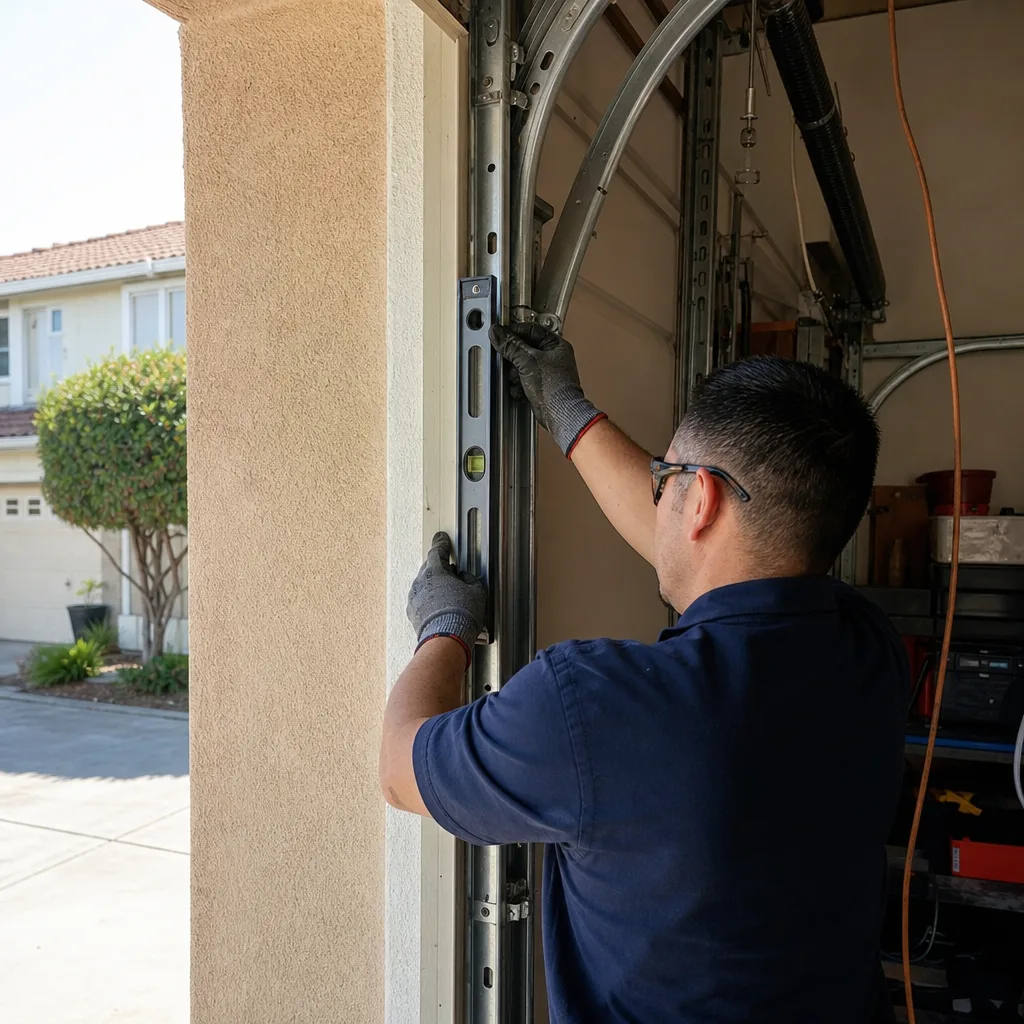
You don’t need a permit for most garage door repairs – spring replacement, cable work, and panel replacement are all classified as repairs under San Bernardino County code. But when you’re venturing into work that touches the structural envelope of your garage, professional help saves you from the permitting maze. If you’re changing door size, adding an opener to a garage that never had one, replacing a fire-rated door, or doing seismic retrofitting on an existing opener, a licensed installer working in Upland will know which permits to pull and which inspections to schedule.
Garage Door Service Upland offers free estimates in Upland – call (855) 970-2962. We service all major brands including LiftMaster, Chamberlain, Genie, Clopay, Amarr, Wayne Dalton, Craftsman, and Raynor, and we’ll tell you honestly whether your project needs a permit before we ever touch the door.
Frequently Asked Questions
In most California jurisdictions, replacing an existing garage door with one of the same size, similar weight, and same fire rating does not require a permit. If you’re changing the door opening dimensions, the fire rating, or the structural header, a permit is required. Some cities have stricter local amendances, so call your local building department to confirm before you start. For Upland homeowners, call (855) 970-2962 and we’ll help you determine whether your project needs paperwork.
Title 24, Part 6 is California’s Building Energy Efficiency Standards. For most unconditioned garages, standard door replacements aren’t subject to Title 24 insulation requirements. However, if your garage is converted to living space or shares a conditioned wall with the home, the door must meet minimum insulation values (typically R-6.5 in Upland’s climate zone 10). Insulated doors from Amarr, Clopay, and Raynor typically meet these standards.
Replacing an existing garage door opener does not require a permit in most California jurisdictions, including Upland. First-time opener installations may require a permit if they involve new electrical wiring, depending on local amendance. All new opener installations in California must include battery backup per SB 969.
A fire-rated garage door is constructed to resist the spread of fire and ember intrusion, required in California’s Wildland-Urban Interface zones. If your Upland property falls within a designated Very High Fire Hazard Severity Zone – common in the foothill neighborhoods north of the 210 – your garage door likely must meet Chapter 7A requirements. Downgrading a fire-rated door to an unrated door is a code violation that will surface at sale time.
Garage door permit fees in San Bernardino County vary by project scope. A simple door replacement with no structural changes usually carries no permit fee because no permit is required. Structural changes – door opening enlargement, new header installation, or fire-rated door work – typically run $150 to $450 in permit fees depending on the project value. Contact the Upland Building & Safety Division for a current fee schedule. For a free estimate on the door work itself, call (855) 970-2962.
Yes. Home inspectors in San Bernardino County look for recent door installations and cross-reference them against county permit records. If a door appears newer than the documented building history, the inspector will flag it for further review. Unpermitted structural changes can delay financing, trigger code enforcement referrals, and force the seller to pay for retroactive permits. The safest approach: check permit requirements before any work that changes door size, weight class, or fire rating.
The Bottom Line
California’s garage door code landscape is more nuanced than most people assume. The baseline rule: like-for-like replacements are repairs and don’t need a permit. But the moment you change door size, fire rating, structural load, or opener configuration in a seismic zone, the permitting machinery wakes up. Upland adds a second layer with its Wildland-Urban Interface fire requirements, which means some door choices in foothill neighborhoods are simply off the table without specific certifications. The cost of getting this wrong isn’t just a failed inspection – it’s a door that has to be replaced twice, a sale that gets delayed, or an insurance claim that gets denied. When in doubt, call before you buy. We’re at (855) 970-2962, and we’ll give you a straight answer about whether your project needs a permit.
Written by the team at Garage Door Service Upland, serving Upland since 2013.
See the difference
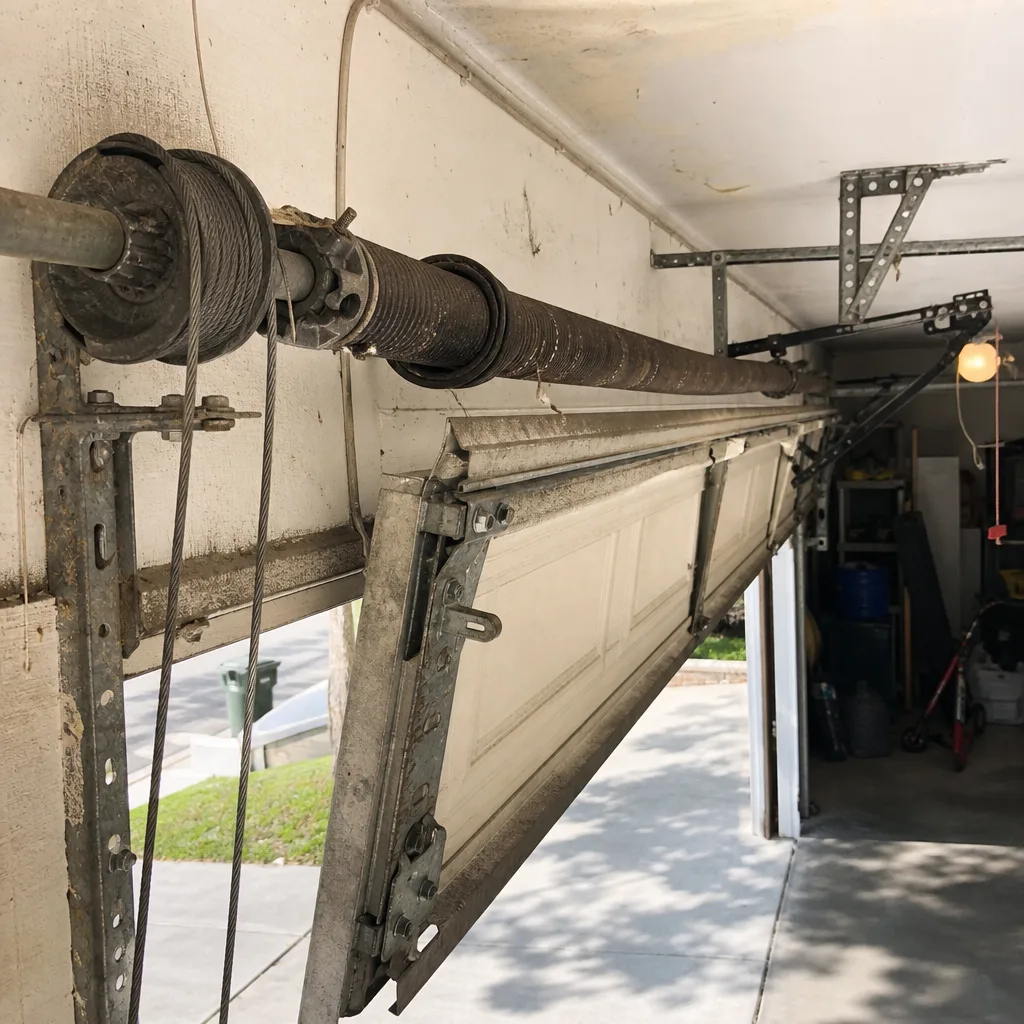 Before
 After
 Before
 After
 Before
 After